Shopify website health audits check the technical SEO problems that quietly drain a store's organic traffic — broken links, slow product pages, duplicate collections, and indexation gaps — with the goal of protecting revenue that depends on unpaid search and AI-search visibility. Shopify stores carry different risk than a typical blog or B2B site: app bloat, variant-driven duplicate content, and theme changes that break canonical tags all show up faster on a storefront than on a content site, because every broken page is a lost sale, not just a lost visitor.
- A website health audit tool for Shopify stores should catch broken links, slow Core Web Vitals, and duplicate collection pages before they cost sales.
- Google's Core Web Vitals thresholds — LCP under 2.5s, INP under 200ms, CLS under 0.1 — apply directly to Shopify product and collection templates.
- Free options (Google Search Console, PageSpeed Insights) catch the basics; paid audit tools add crawl depth and recurring monitoring.
- Alef adds AI-search visibility tracking on top of a technical audit, showing whether ChatGPT and Perplexity surface your store at all.
- Run a full technical audit every quarter and after every theme or app change — not just once a year.
Why website health audits matter for Shopify stores
A Shopify store lives or dies on category and product pages ranking well, and those pages break in ways a static site never does. Variant switchers generate duplicate URLs, apps inject render-blocking scripts that tank Core Web Vitals, and seasonal collection pages get abandoned with broken links after a sale ends.
An AI search visibility tool for e-commerce brands matters here for a second reason: shoppers now ask ChatGPT and Perplexity for product recommendations before they ever open Google. A store with clean technical health but zero presence in AI answers is still losing the discovery battle in 2026.
The fix isn't one audit — it's a repeatable process. The steps below start with what any store can do for free, then layer in the monitoring that catches problems before they compound.
Crawl your storefront for broken links and 404s
Broken internal links waste crawl budget and send shoppers to dead ends mid-checkout. Start with a full site crawl, not a spot check.
- Run a crawl with Screaming Frog or a similar crawler on the full domain, including collection filters
- Export every 404 and 301 chain longer than two hops
- Check abandoned seasonal collections and discontinued product URLs for stray internal links
- Fix redirect chains — one hop from old URL to live page, never three
- Re-crawl after fixes to confirm the error count actually dropped
Check Core Web Vitals on product and collection templates
Speed problems on Shopify almost always trace back to apps, not the theme itself. Test the templates that carry the most traffic first.
- Run PageSpeed Insights on your top 5 product pages and your homepage
- Flag any page with LCP over 2.5 seconds or CLS over 0.1
- Audit installed apps for render-blocking scripts — reviews widgets and upsell popups are frequent offenders
- Compress hero images and lazy-load below-the-fold product images
- Re-test after each app removal to isolate what actually helped
Audit duplicate content across collections and variants
Shopify's URL structure generates duplicate content by default once you add filters, tags, and multiple collections pointing at the same products. Left unmanaged, this splits ranking signal across near-identical pages.
- Pull a list of all indexed URLs from Google Search Console
- Identify collection and filter URLs returning near-identical product grids
- Set canonical tags pointing filtered/sorted variants back to the primary collection URL
- Write unique collection descriptions instead of leaving them blank or templated
- Noindex thin tag-archive pages with fewer than a handful of products
Fix indexation issues in robots.txt and your sitemap
A misconfigured robots.txt file can block Google from crawling entire product categories without anyone noticing for months.
- Check robots.txt for accidental disallow rules on /collections/ or /products/
- Confirm your sitemap.xml submits cleanly in Google Search Console with zero errors
- Remove discontinued products from the sitemap instead of leaving 404s in it
- Verify canonical tags match the URL Google actually indexed, not the URL you intended
Monitor AI search visibility alongside Google rankings
Technical fixes protect Google rankings, but they say nothing about whether AI assistants recommend your store at all. This is where a dedicated website health audit tool for Shopify stores earns its keep, because manual checks here don't scale past a handful of queries a week.
- Search your top product categories directly in ChatGPT and Perplexity and note whether your store appears
- Track which competitors get cited instead and for which queries
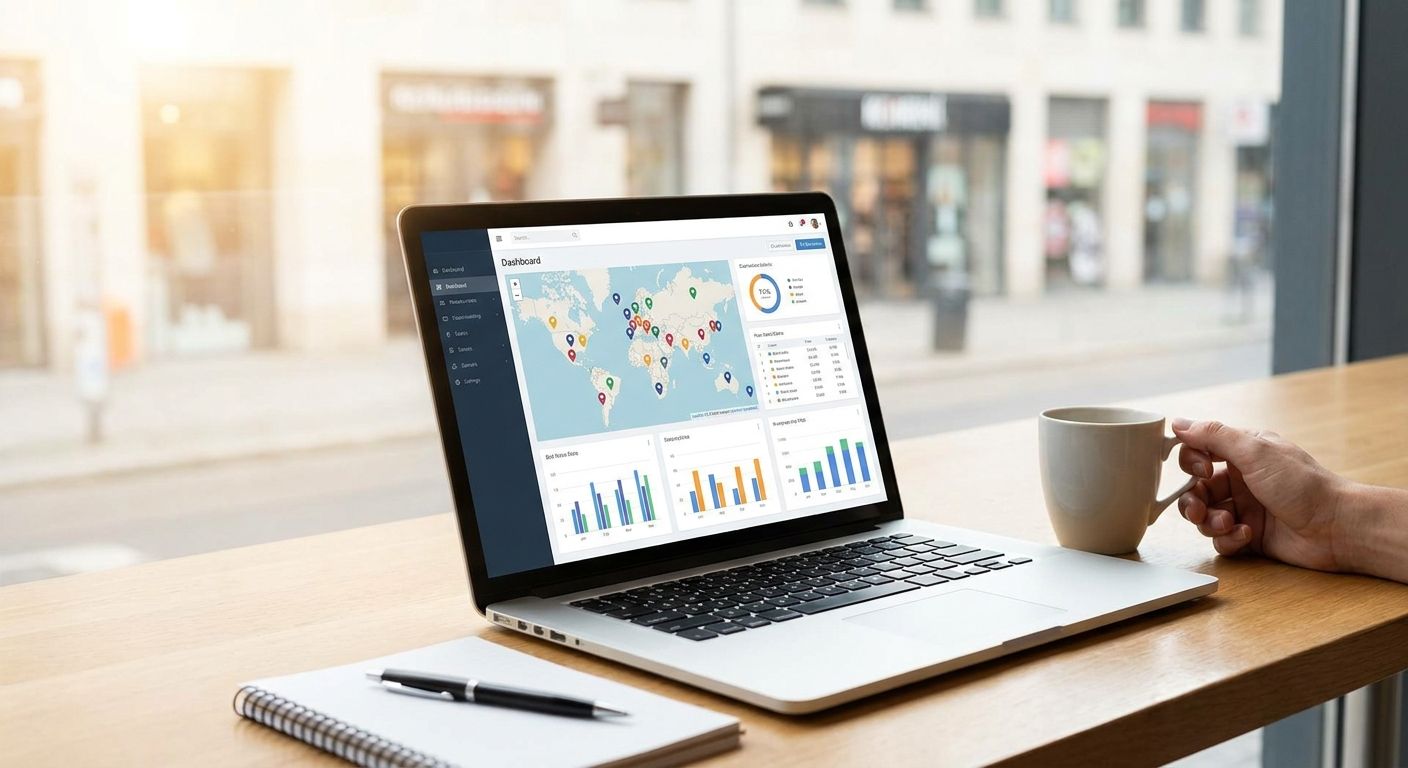
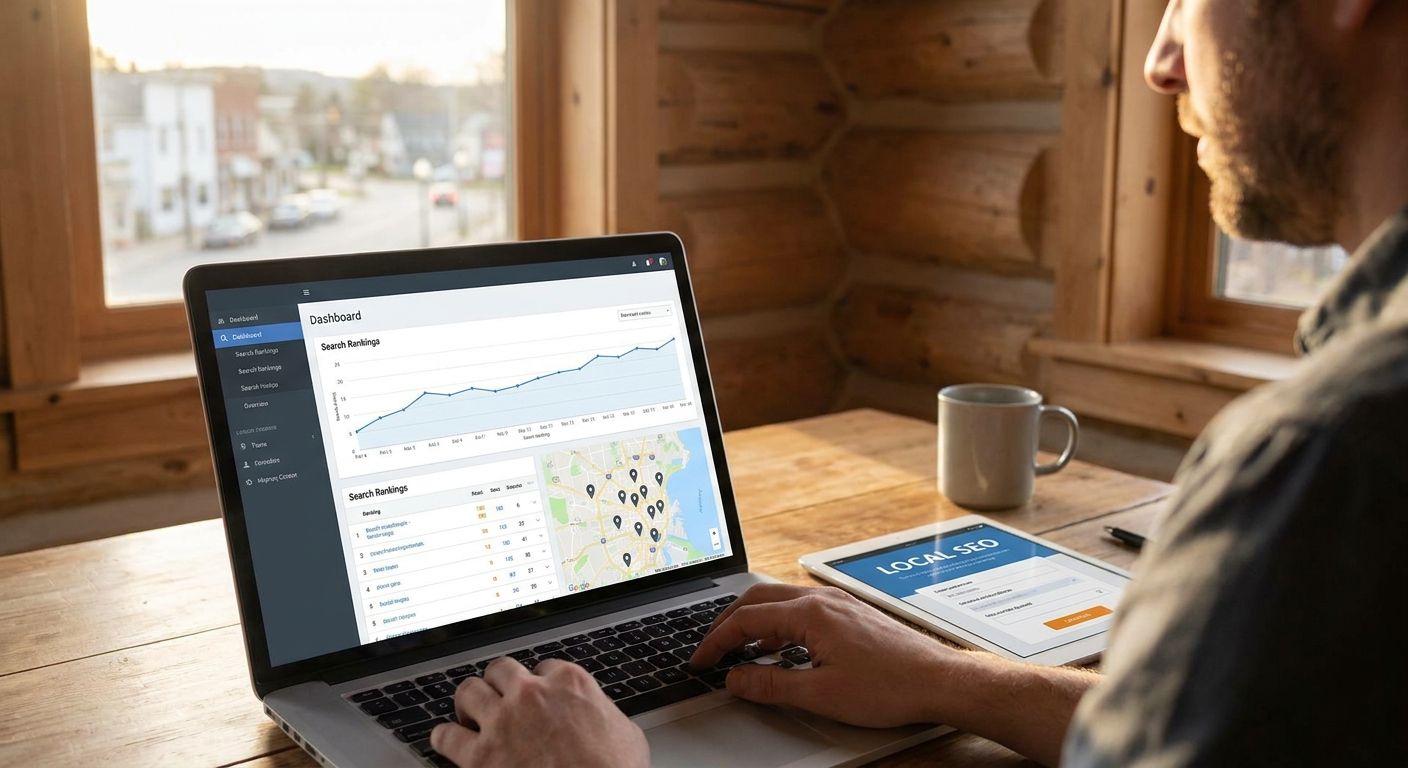
- Use Alef's audit dashboard to run technical health checks and AI-visibility tracking from one place instead of stitching together three tools
- Read the breakdown on how to track your brand's visibility in ChatGPT and Perplexity for the manual method before automating it
- Re-check monthly — AI answer citations shift faster than Google rankings do
Track backlinks and E-E-A-T signals
Shopify stores tend to under-invest in off-site signals compared to on-site fixes, which caps how far technical work alone can move rankings.
- Audit your backlink profile for lost links from press mentions or supplier partnerships
- Check that your About page and product pages carry real brand information, not stock template copy
- Add customer reviews with dates and specifics — thin or templated reviews hurt trust signals
- Flag toxic or spammy backlinks for disavow if they're clearly manipulative
Set a recurring audit cadence
A one-time audit fixes today's problems and misses next quarter's. Shopify themes and apps change constantly, and each change is a new chance to break something.
- Schedule a full technical crawl every quarter at minimum
- Re-audit immediately after any theme change, app install, or bulk product upload
- Keep a change log so a traffic drop can be traced to a specific update
- Set alerts for sudden spikes in 404s or indexation drops rather than waiting for the quarterly check
Comparing audit options for Shopify stores
| Tool | Best for | Key limitation |
|---|---|---|
| Google Search Console | Free indexation and crawl-error monitoring | No AI-search visibility, limited historical data |
| PageSpeed Insights | Free Core Web Vitals checks per URL | One page at a time, no site-wide crawl |
| Screaming Frog | Deep technical crawls, broken link and redirect chains | Manual setup, no AI-visibility tracking |
| Alef | Combined technical audit plus AI search visibility in one dashboard | Best suited to stores already tracking both Google and AI-engine performance |
A website health audit tool for Shopify stores that only checks Core Web Vitals is solving half the problem in 2026 — the other half is whether AI engines cite your store at all.
Common mistakes Shopify stores make
- Auditing once and stopping: a clean crawl in January means nothing after three app installs and a theme update in March.
- Ignoring app-injected scripts: most Core Web Vitals failures on Shopify trace to third-party apps, not the theme itself.
- Leaving collection descriptions blank: templated or empty collection copy is the single most common duplicate-content trigger on Shopify.
- Treating AI search as someone else's problem: stores that never check ChatGPT or Perplexity for their own product categories have no idea whether they're losing that channel entirely.
- Fixing symptoms instead of root causes: redirecting a 404 without asking why the link went stale in the first place just delays the next audit finding the same issue.
Audit your Shopify store's health
Check technical SEO and AI search visibility in one dashboard.
FAQ
What is the best website health audit tool for Shopify stores in 2026?
There's no single best tool for every store — Google Search Console and PageSpeed Insights cover the free basics, while a combined platform like Alef adds AI search visibility tracking alongside the technical audit. Pick based on whether you need AI-engine monitoring or just Google-focused checks.
How often should a Shopify store run a website health audit?
Run a full technical audit at least once a quarter, and again immediately after any theme change, app install, or bulk product upload. Waiting a full year lets small issues like broken links or duplicate collections compound into real traffic loss.
Is Core Web Vitals still a ranking factor for Shopify stores in 2026?
Yes. Google's thresholds — LCP under 2.5 seconds, INP under 200ms, CLS under 0.1 — still apply to product and collection templates, and Shopify apps are the most common cause of failing scores.
Do free tools catch everything a paid audit tool catches?
No. Google Search Console and PageSpeed Insights catch indexation errors and per-page speed issues, but they don't track AI search citations or run scheduled site-wide crawls the way a dedicated audit platform does.
Why does duplicate content happen so often on Shopify?
Shopify's collection filters, sort options, and tag pages generate multiple URLs pointing at the same product set by default. Without canonical tags managing them, that splits ranking signal across near-identical pages.
Can a website health audit tool track AI search visibility too?
Some can. Alef combines technical website health checks with tracking of how ChatGPT and Perplexity cite a store, so a single dashboard covers both Google and AI-engine performance.
What's the most common technical mistake on Shopify stores?
Blank or templated collection descriptions are the most common trigger for duplicate content flags, closely followed by app-injected scripts that slow down Core Web Vitals scores.
Should Shopify stores worry about AI-search visibility in 2026?
Yes — shoppers increasingly ask ChatGPT and Perplexity for product recommendations before searching Google directly. A store with strong technical health but no AI-engine presence is still losing that discovery channel.
One last thing
The technical fixes above protect rankings you already have; they don't create new discovery channels. The store that checks whether ChatGPT actually recommends it — and adjusts product copy and structured data based on what it finds — is the one gaining share in 2026 while competitors keep auditing for a channel that's already shrinking.